

31.10.2018
Why are bacteriophages packaged in liposomes?
A liposome can become a "Trojan horse" that will help bacteriophages enter cells and destroy intracellular bacterial pathogens.

A liposome can become a "Trojan horse" that will help bacteriophages enter cells and destroy intracellular bacterial pathogens.

In October 2018, Credence Research (USA) published the report “Bacteriophage Market - Growth, Future, Competitive Analysis, 2018-2026,” which analyzed the key trends in the global bacteriophage market.

IDWeek, the largest annual American forum dedicated to infectious diseases, took place in San Francisco from October 3-7, 2018. Phage therapy as a treatment for antibiotic-resistant infections was the topic of one of the IDWeek plenary sessions.

The 2018 Nobel Prize in Chemistry was awarded for the development of methods for the directed evolution of peptides and proteins, in particular phage display technology. What is its essence? How do phages aid in the development of modern medicines?
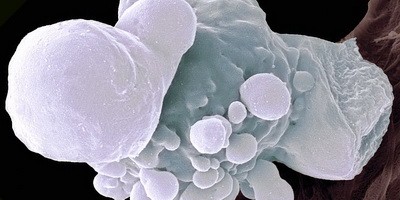
At the Pasteur Institute (France), the influence of host immunity on the effectiveness of phage therapy of acute pneumonia caused by a multidrug-resistant strain of Pseudomonas aeruginosa was studied in mice.
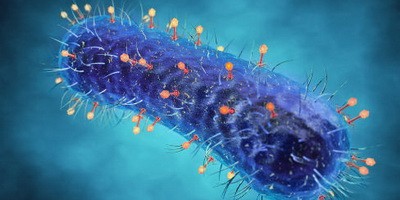
Twenty-one patients in seven hospitals with severe, life-threatening bacterial infections that were unresponsive to antibiotics were given phage preparations against Staphylococcus aureus or Pseudomonas aeruginosa as part of an open-access program.

Seasonal and daily dynamics of the population of the pathogenic bacterium Burkholderia pseudomallei in the natural environment largely depends on bacteriophages
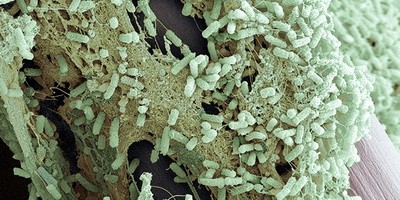
Every year, about a million people die from bacterial infections resistant to most antibiotics. Which "superbugs" are the most common and dangerous?

A rapid test based on a genetically modified bacteriophage has been developed in the United States to detect pathogenic E. coli in water.

In July 2018, the Journal of Trauma and Acute Care Surgery published a review devoted to the history and prospects of using bacteriophages in military medicine.
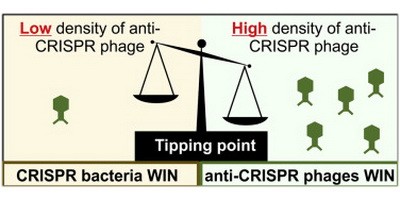
The journal Cell published two papers by independent teams of authors devoted to the mechanisms by which bacteriophages resist the bacterial defense system CRISPR-Cas. Both papers indicate that bacteriophages can cooperate to overcome bacterial immunity.

Global warming and population growth could accelerate the arrival of a "post-antibiotic era" in which humanity loses control over infectious diseases.
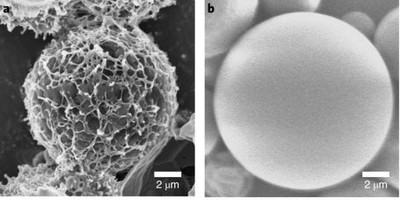
American scientists have proposed a new system for delivering bacteriophages to the lungs. The system could help treat chronic pneumonia caused by antibiotic-resistant pathogens.
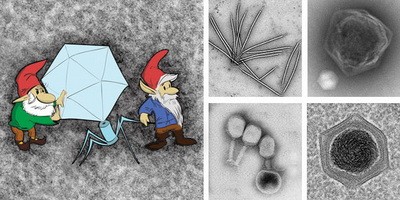
The fifth workshop of the European Molecular Biology Organization (EMBO ) was held in Wroclaw, Poland, a city that has been one of the world's centers for research into bacteriophages as therapeutic agents for over 60 years.

At the annual meeting of the American Society of Nutrition, the results of the first clinical trial in the Western Hemisphere on the use of bacteriophages in the treatment of intestinal disorders - the Bacteriophage for Gastrointestinal Health (PHAGE) Study - were presented.
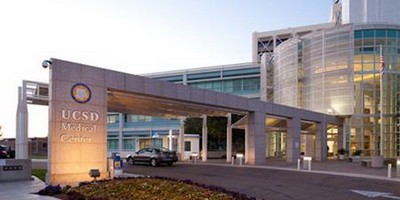
A medical center has opened at the University of California, San Diego (USA) to improve phage therapy methods and conduct trials of new phage preparations – The Center for Innovative Phage Applications and Therapeutics (IPATH).
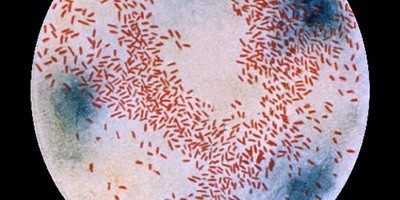
The results of the international Survey of Antibiotic Resistance (SOAR) in Ukraine and Slovakia have been published.
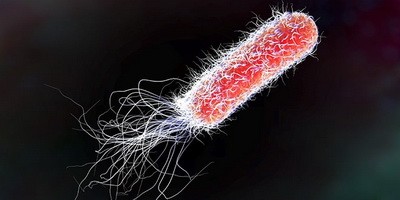
A rapid, sensitive, and inexpensive test for the presence of E. coli O157:H7 in food samples has been developed in the United States. The test's main component is a genetically modified bacteriophage.