Stunning High-Resolution Virus Blueprint Offers New Hope Against Antibiotic Resistance
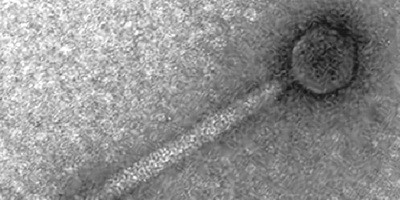
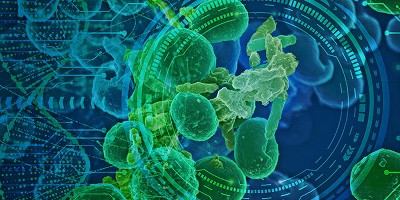
A detailed 3D map of a bacteria-hunting virus reveals ancient origins and new promise against superbugs.
Scientists have developed the first fully synthetic method for building and reprogramming bacteriophages, offering a faster and safer route to designing virus-based treatments for drug-resistant bacteria.

The Phase 1b clinical trial of LBP-PA01 will enable Locus to evaluate safety, efficacy, and optimal dosing in patients with P. aeruginosa infections that are becoming increasingly difficult to treat with conventional antibiotics.
Since 2019, Belgium has approved the use of bacteriophages to treat antibiotic-resistant infections. More than 100 patients have already undergone treatment with bacterial viruses. The clinical case of one of them is described in the latest issue of the journal Nature Communications.
American scientists analyzed data from around the world for 2019 and showed that hundreds of thousands of people die annually from bacterial infections that were previously successfully treated with antibiotics but are now resistant to them.
Secondary metabolites of some bacteria are antibiotics, meaning they can exert antibacterial activity. However, they can also have antiviral properties and suppress phage infection.
The use of antibiotics has become the norm in modern animal husbandry, as these drugs not only help prevent bacterial infections in animals but also contribute to their weight gain. The result is the spread of antibiotic resistance.
A combination of bacteriophage and antibiotic treatment has resulted in significant improvement in the condition of a sea turtle that had suffered from a chronic bacterial shell infection resistant to most antimicrobial agents for four years.
Now, data collection on antibiotic resistance can be carried out by medical institutions providing specialized or highly specialized medical care, as well as independent bacteriological laboratories.
A monovalent vaccine based on phage-like particles carrying SARS-CoV-2 virus antigens ensures the synthesis of neutralizing antibodies, long-lasting and effective protection against infection
A model has been created that allows simulating the microenvironment of the human body and modeling the interaction of bacteriophages and bacteria within it.
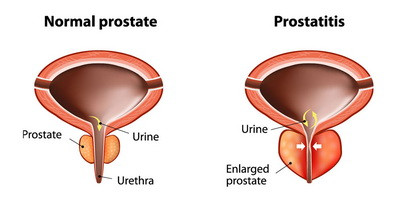
Antibiotic therapy for chronic bacterial prostatitis is often ineffective. A paper has been published describing a clinical case of treating this disease with bacteriophages.
Bacteriophages cannot always completely destroy bacteria that have formed a biofilm. Combination therapy with bacteriophages and other antimicrobial agents is more effective.
The University of Sydney has proposed a new model for preclinical research into optimal combinations of phages and antimicrobial agents for the treatment of bacterial infections, including antibiotic-resistant ones.
Successful phage therapy for antibiotic-resistant bacterial infection helped prevent limb amputation in a child.
"Training" phages to coevolve with bacteria allows them to bypass bacterial resistance mechanisms.
The 24th International Bacteriophage Conference, the oldest and most renowned gathering of scientists and enthusiasts of bacterial virus research, was held at The Evergreen College in Olympia, Washington, USA, on August 2-5, 2021.
Uncontrolled proliferation of C. difficile is observed predominantly in patients with significant disturbances in the intestinal microbiota due to long-term antibiotic therapy.