Bacteriophages in the treatment of bacterial osteomyelitis
A clinical case of phage therapy for bacterial osteomyelitis was described by Israeli doctors in the journal Clinical Infectious Disease.
Pseudomonas aeruginosa pulmonary infection is a leading cause of death among patients with cystic fibrosis. Phage therapy can help address the problem of antibiotic-resistant P. aeruginosa strains.
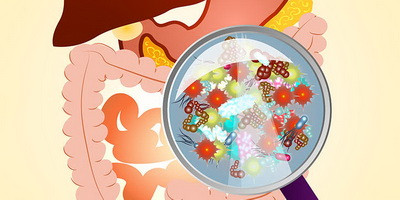
While much attention has been paid to the bacteria of the human intestinal microbiome, very little is known about the composition and physiological significance of bacteriophages in this system. However, there is no longer any doubt that bacterial viruses play an important role in regulating microbial interactions and controlling the numbers of microbial populations.
Surveys show that 64% of the European population mistakenly believes that acute respiratory viral infections and influenza can be treated with antibiotics. However, antibiotics should be used cautiously to preserve their effectiveness when they are truly needed.
Research into the biology of bacteriophages is revealing new possibilities for their application in medical practice. In particular, data has been accumulated on the immunomodulatory and anti-inflammatory properties of phages.
Australian scientists have studied the in vivo efficacy and safety of bacteriophage cocktails in the treatment of sinusitis caused by Pseudomonas aeruginosa .
Phage therapy is a promising approach to combating bacterial biofilms, as bacteriophages are able to penetrate the biofilm matrix and infect bacteria, including those resistant to antibiotics.
A reliable way to get rid of antibiotic-resistant bacteria in water treatment plants is a combination of solar irradiation and bacteriophage treatment.
In 2019, two clinical trials of phage drugs will begin in the United States. The first experimental drug is intended for the treatment of Crohn's disease, and the second is for the treatment of patients with VAD devices infected with resistant staph.
American Pharm Exec Magazine surveyed leading investment experts about the most important areas of drug development in 2019. Among the top 10 trends, they named the development of phage therapy as a treatment for antibiotic-resistant infections.
The Third European Summit of the Microbiome Movement - Drug Development Europe will be held in Paris on January 28-30, 2019. The summit will focus on the development, production and commercialization of "microbiome" drugs, including those based on bacteriophages.
Infectious diseases and their treatment with antibiotics may increase the risk of developing certain mental disorders in childhood and adolescence.
Treatment of salmonella infection with bacteriophages is highly specific and, unlike antibiotic therapy, does not disturb the balance of intestinal microbiota.
A bacteriophage has been described that begins to destroy bacteria in response to certain signals exchanged between them.
We present to your attention an online resource that presents, in a convenient, visual, interactive form, up-to-date information on the spread of antibiotic resistance in different countries around the world, as well as trends in the use of antibiotics in medicine and agriculture.
A systematic review found that phage therapy is effective and safe for treating infections caused by ESCAPE bacteria, pathogens that are most often resistant to antibiotics and are responsible for the majority of hospital-acquired infections.
More than 33,000 people died in the EU and the European Economic Area (EU/EEA) due to antibiotic-resistant bacterial infections in 2015 alone.
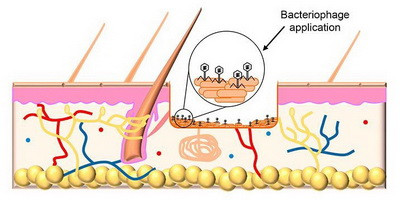
In October 2018, The Lancet published the final report on the international PhagoBurn project, which aimed to evaluate the clinical potential of bacteriophages in the treatment of burn wounds infected with Escherichia coli and Pseudomonas aeruginosa.