Phage therapy for infected diabetic foot
Infection plays a key role in the pathogenesis of diabetic foot disease. Among the pathogens, antibiotic-resistant bacterial strains are becoming increasingly common.
The FDA has approved clinical trials of phage therapy for Crohn's disease. This move could facilitate the entry of other phage therapies into the U.S. market.
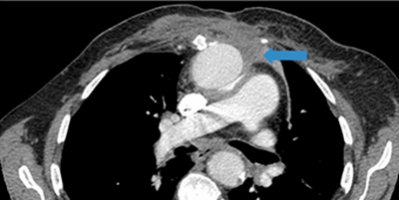
In the US, a patient with an aortic arch prosthesis infection that was resistant to antibiotics was saved using bacteriophages.
A group of scientists from the University of Helsinki (Finland) and Seoul National University (South Korea) investigated the possibility of using bacteriophages to eradicate such a food pathogen as Yersinia enterocolitica
To discuss phage therapy issues, a Symposium on the Use of Bactriophages in Clinical Practice will be held in Utrecht, the Netherlands, on February 22, 2018. Leading international experts in the field of phage therapy have been invited to the Symposium.
The WHO has published the first data collected by the Global Antimicrobial Resistance Surveillance System (GLASS). High levels of antibiotic resistance have been recorded across a range of serious bacterial infections in both high- and low-income countries.
Physicists from the University of Jyväskylä (Finland) used helium microscopy to study the behavior of bacteriophages: they obtained images of various stages of phage infection of bacteria.