Taking antibiotics for the flu is dangerous
Taking antibiotics can cause side effects, sometimes quite dangerous, so they should be used strictly as prescribed by a doctor and never taken “just in case.”
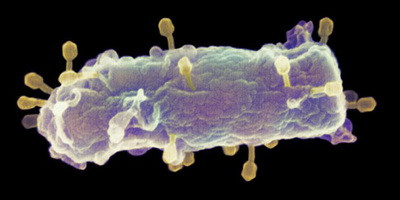
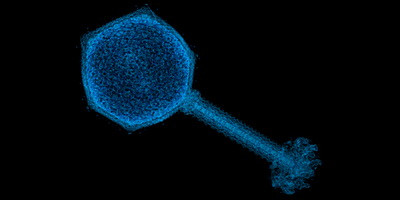
The journal Current Opinion in Microbiology published a review devoted to the prospects for the combined use of bacteriophages and antibiotics in clinical practice. This issue is particularly relevant for the treatment of multidrug-resistant bacterial infections.
The idea of using bacteriophages as antimicrobial agents has already captured the imagination of researchers studying rare animals. Australian scientists compared the efficacy and safety of bacteriophages and antibiotics in treating infections in rare marine reptiles—green turtles.
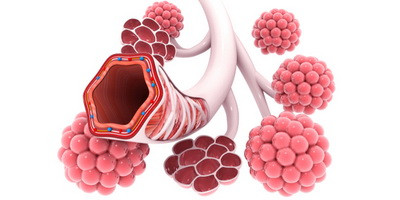
In experiments on mice with acute pneumonia, treatment with specific bacteriophages was as effective as antibiotic therapy and was not associated with increased inflammation.
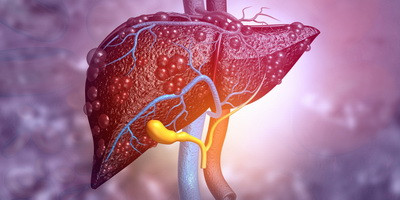
Data have accumulated indicating the feasibility of using bacteriophages to restore immune homeostasis and reduce inflammation in certain liver diseases, including primary sclerosing cholangitis.
Rivers around the world contain antibiotics at concentrations exceeding safe levels. This conclusion was reached by a group of environmentalists after monitoring river water in 71 countries. River pollution with antibiotics is a major factor in the spread of bacterial resistance to these medications.
Phage therapy was used for the first time to treat an antibiotic-resistant mycobacterial infection: a cocktail of three bacteriophages, two of which were genetically modified, saved a 15-year-old girl with cystic fibrosis.
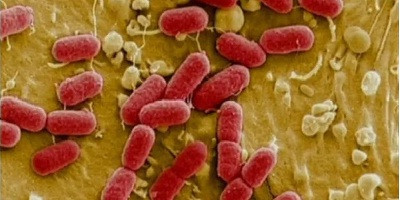
Scientists from Colorado State University (USA) investigated how a phage cocktail containing four bacteriophages specific against E. coli affects the composition of the microbiota and markers of systemic and intestinal inflammation in humans.
"A stunning story about a medical miracle that could revolutionize antimicrobial therapy," is how one reader describes the book about bacteriophages, which hit American store shelves in February of this year.
One of the most important sources of antibiotic resistance is the enormous diversity of environmental bacteria. They have a multitude of ways to protect their vital systems, and in response to each new antibiotic, they quickly develop resistance recipes.
A clinical case of phage therapy for bacterial osteomyelitis was described by Israeli doctors in the journal Clinical Infectious Disease.
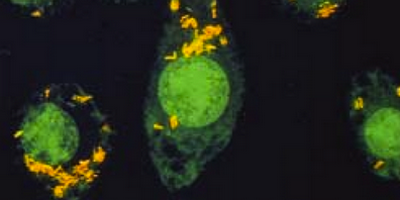
Pseudomonas aeruginosa pulmonary infection is a leading cause of death among patients with cystic fibrosis. Phage therapy can help address the problem of antibiotic-resistant P. aeruginosa strains.
While much attention has been paid to the bacteria of the human intestinal microbiome, very little is known about the composition and physiological significance of bacteriophages in this system. However, there is no longer any doubt that bacterial viruses play an important role in regulating microbial interactions and controlling the numbers of microbial populations.
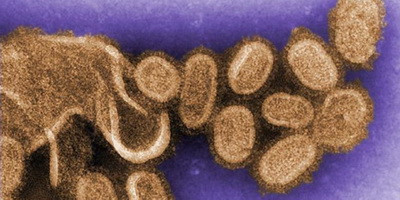
Surveys show that 64% of the European population mistakenly believes that acute respiratory viral infections and influenza can be treated with antibiotics. However, antibiotics should be used cautiously to preserve their effectiveness when they are truly needed.
Research into the biology of bacteriophages is revealing new possibilities for their application in medical practice. In particular, data has been accumulated on the immunomodulatory and anti-inflammatory properties of phages.
Australian scientists have studied the in vivo efficacy and safety of bacteriophage cocktails in the treatment of sinusitis caused by Pseudomonas aeruginosa .
Phage therapy is a promising approach to combating bacterial biofilms, as bacteriophages are able to penetrate the biofilm matrix and infect bacteria, including those resistant to antibiotics.
A reliable way to get rid of antibiotic-resistant bacteria in water treatment plants is a combination of solar irradiation and bacteriophage treatment.