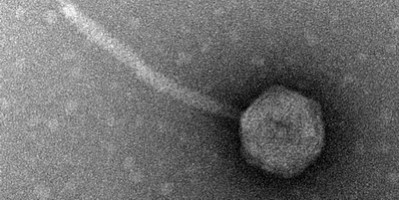
Genetic modifications expand the host range of bacteriophages
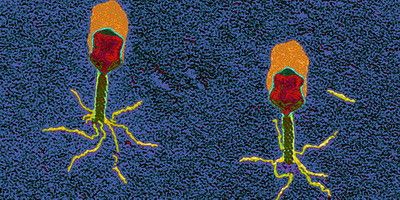
Swiss researchers have genetically modified phages so that they recognize and attack a wider range of bacterial strains than their wild ancestors.
More and more data is emerging on the interaction of bacteriophages not only with their host bacteria but also with the human immune system. Studying the mechanisms of such interactions could form the basis for the development of new anti-inflammatory and immunomodulatory agents.
Every year, doctors increasingly encounter H. pylori resistance to antibiotics included in the recommended treatment regimens for this common infection. Clarithromycin, in particular, is rapidly losing its effectiveness.
The human intestine is normally home to not only bacteria (microbiome) but also viruses (virome), primarily bacteriophages. The virome is represented by many types of bacteriophages, and its composition varies from person to person.
Scientists have proposed a new strategy for rapidly producing phage preparations to combat various strains of pathogenic bacteria. To do this, they induce a mutation in the phage gene encoding a protein that binds to the target bacterium.
Antibiotic-resistant mycobacterial infections, particularly tuberculosis, pose a serious challenge to modern medicine. Bacteriophages are being considered as a possible alternative to antibiotics in the treatment of tuberculosis.
In August 2019, the 23rd Evergreen International Phage Meeting was held at Evergreen State College in Olympia, Washington, USA. The conference is held every two years and is one of the world's most important scientific events dedicated to bacteriophages.
The value of the study is not only that the effectiveness of phage prophylaxis against salmonellosis in poultry farming has been proven, but also that it will help phages gain the trust of private farmers.
A cocktail of several bacteriophages successfully combated a strain of E. coli pathogenic to humans without harming the intestinal microbiota in mice experiments.
Phage biocontrol is a "green" technology that helps to specifically destroy pathogenic microorganisms in food products without affecting their organoleptic properties.
Scientists from McMaster University (Canada) have packed a huge number of bacteriophages so tightly that they form a stable gel-like structure.
Taking antibiotics can cause side effects, sometimes quite dangerous, so they should be used strictly as prescribed by a doctor and never taken “just in case.”
The journal Current Opinion in Microbiology published a review devoted to the prospects for the combined use of bacteriophages and antibiotics in clinical practice. This issue is particularly relevant for the treatment of multidrug-resistant bacterial infections.
The idea of using bacteriophages as antimicrobial agents has already captured the imagination of researchers studying rare animals. Australian scientists compared the efficacy and safety of bacteriophages and antibiotics in treating infections in rare marine reptiles—green turtles.
In experiments on mice with acute pneumonia, treatment with specific bacteriophages was as effective as antibiotic therapy and was not associated with increased inflammation.
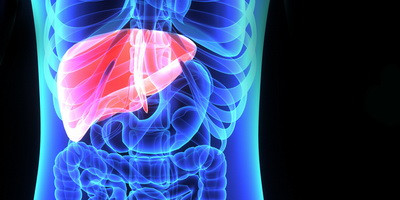
Data have accumulated indicating the feasibility of using bacteriophages to restore immune homeostasis and reduce inflammation in certain liver diseases, including primary sclerosing cholangitis.
Rivers around the world contain antibiotics at concentrations exceeding safe levels. This conclusion was reached by a group of environmentalists after monitoring river water in 71 countries. River pollution with antibiotics is a major factor in the spread of bacterial resistance to these medications.
Phage therapy was used for the first time to treat an antibiotic-resistant mycobacterial infection: a cocktail of three bacteriophages, two of which were genetically modified, saved a 15-year-old girl with cystic fibrosis.