Bacteriophages as components of probiotics: proven effectiveness
In the PHAGE-2 clinical trial, adding bacteriophages to a probiotic containing bifidobacteria improved gut health and gut microbiota in healthy adult volunteers.
Three projects funded by the Cystic Fibrosis Foundation are focused on phage therapy for antibiotic-resistant chronic infections in patients with cystic fibrosis.
Indian scientists have isolated a lytic bacteriophage specific to the bacterium Klebsiella pneumoniae – the causative agent of severe infections of the respiratory tract, urinary tract, and wounds – and demonstrated its therapeutic efficacy in an animal model of pneumonia.
Mastitis (inflammation of the mammary gland) in dairy cows is a problem that leads to significant losses for farms and is also a cause of excessive use of antibiotics and, consequently, the spread of antibiotic resistance.
The SOAR study focuses on determining the susceptibility of key community-acquired respiratory tract infection pathogens Streptococcus pneumoniae and Haemophilus influenzae to antibacterial drugs.
Australian scientists have published the results of a study on the effect of a phage cocktail against Staphylococcus aureus in mice with a diabetic foot model infected with multidrug-resistant S. aureus.
The cultivation of aquatic organisms such as fish, mollusks, and crustaceans requires constant bacterial monitoring. As the use of antibiotics becomes increasingly problematic, the use of bacteriophages in aquaculture is being considered.
An approach called phage biocontrol involves the use of lytic bacteriophages to treat food products and surfaces that come into contact with them to kill pathogenic bacteria.
Methane, a greenhouse gas, is a byproduct of microorganisms living in the digestive tract of ruminants. Bacteriophages are currently the most promising method for suppressing the activity of methanogenic microorganisms.
The journal Phage published a review examining the potential use of bacteriophages in the fight against the SARS-CoV-2 coronavirus, primarily to reduce mortality in patients with acute respiratory syndrome.
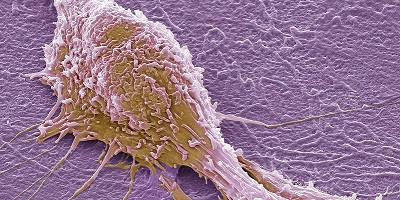
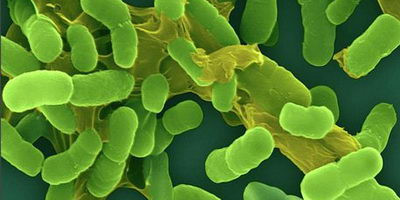
Scanning electron microscopy reveals the "everyday life" of bacteriophages: phage A25 attacks Streptococcus pyogenes bacteria
Registration is now open for two online forums dedicated to bacteriophages and phage therapy. The Boston Bacteriophage Therapy Summit 2020 will take place on August 27-28, 2020, and the Oxford Phages 2020 Virtual Conference will take place on September 9-10, 2020.
Studies in a cell model have shown great potential for phage therapy in the treatment of meningitis caused by pathogenic Escherichia coli with the K1 capsular antigen.
The CURE project is a multidisciplinary initiative that began in 2017. The project's goal is to use bacteriophages to restore the balance of the respiratory microbiota and normalize immune function in patients with asthma.
On May 14, 2020, the online conference "ANTIBIOTIC THERAPY 2020 – Modern Theory and International Practice" will be held. Andrey Valerievich Voznyak, Associate Professor of the Department of Pediatrics No. 1 at the Danylo Halytsky Lviv National Medical University, will present a paper entitled "Bacteriophages as an Alternative to Antibiotic Therapy in Pediatric Practice."
An experimental nasal DNA vaccine against COVID-19 has been developed in Canada. The DNA is delivered via a bacteriophage to respiratory cells, where it triggers the synthesis of harmless, but coronavirus-like particles that trigger an immune response.
German researchers have "taught" bacteriophages to neutralize the influenza virus and prevent it from entering target cells. Now, scientists have begun similar experiments to neutralize the new SARS-CoV-2 coronavirus.
GINA has issued recommendations for individuals with bronchial asthma regarding their behavior during the COVID-19 coronavirus epidemic.