How can “training” improve the efficiency of phages?
"Training" phages to coevolve with bacteria allows them to bypass bacterial resistance mechanisms.
The 24th International Bacteriophage Conference, the oldest and most renowned gathering of scientists and enthusiasts of bacterial virus research, was held at The Evergreen College in Olympia, Washington, USA, on August 2-5, 2021.
Uncontrolled proliferation of C. difficile is observed predominantly in patients with significant disturbances in the intestinal microbiota due to long-term antibiotic therapy.
After analyzing human stool samples, scientists identified 54,118 types of viruses, most of which turned out to be bacterial viruses – bacteriophages.
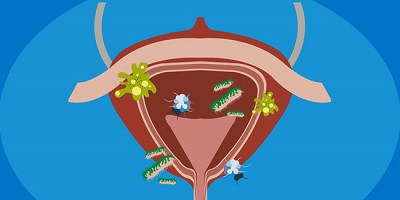
Phase I/II clinical trials are designed to evaluate the efficacy and safety of personalized phage preparations in patients with urinary tract infections (UTIs) caused by multidrug-resistant bacteria.
Scientists have created a phage cocktail of five mycobacteriophages with broad specificity against M. tuberculosis strains. The properties of the bacteriophages in the cocktail were further optimized using genetic and genetic engineering approaches.
None of the 43 antibiotics currently in various stages of testing address the problem of multidrug resistance in dangerous pathogenic bacteria.
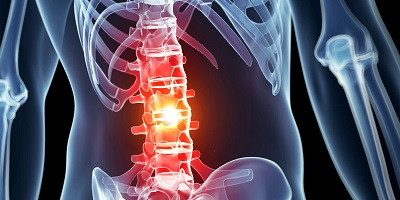
Bacteriophages as a treatment for infections caused by multidrug-resistant bacteria hold great potential for patients who have suffered spinal cord injuries. Doctors from the University Hospital of Zurich discuss this in an article in the journal Spinal Cord.
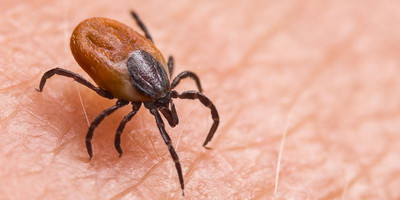
A new PCR test has been developed for the early diagnosis of Lyme disease. The test detects a gene belonging not to the bacteria that causes the disease, but to a specific bacteriophage. If the bacteriophage is found, then the bacteria is present!
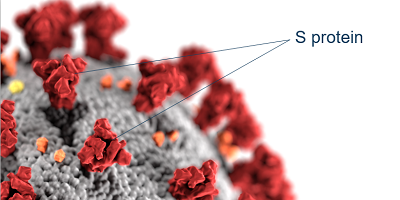
The weekly online publication Capsid & Tail suggests considering bacteriophages as the basis for creating "vaccine cocktails" against COVID-19, providing long-term protection against various strains of the SARS-CoV-2 coronavirus.
The annual congress on inhalation and respiratory drug delivery (April 20-21, 2021) will present the results of preclinical trials of an inhalation phage preparation for the treatment of ventilator-associated pneumonia.
NIAID (USA) is implementing a comprehensive program to support research into the use of bacteriophages in the treatment and prevention of antibiotic-resistant infections. In the first phase, NIAID awarded 12 grants totaling $2.5 million to American universities and companies.
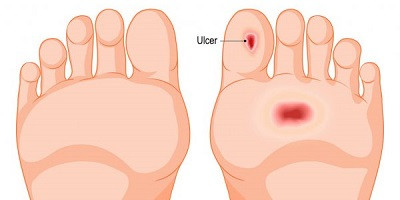
Jessica Sacher, editor-in-chief of the weekly online publication Capsid & Tail, spoke about the challenges of treating infected foot ulcers in patients with diabetes, as well as the possibilities of phage therapy for this pathology.
The medical journal "Health of Ukraine. Surgery, Orthopedics, Traumatology, Intensive Care" No. 5, 2020, published the first part of an article by Professor I. Bereznyakov, dedicated to the state of antibiotic resistance in Ukraine based on the results of the AURA study.
Scientists have compiled the most comprehensive catalog to date of bacteriophages inhabiting the human gut. They have identified over 142,000 bacterial virus genomes and identified some of their characteristics.
Pharmacokinetic studies of a phage preparation for oral use in the treatment of inflammatory bowel diseases/primary sclerosing cholangitis have been successfully completed in phase 1a clinical trials under the FDA IND protocol.
Phase II clinical trials of a topical bacteriophage-based skin care product for acne-prone skin are planned to begin this year.
The medical journal "Health of Ukraine. Surgery, Orthopedics, Traumatology, Intensive Care" No. 4, 2020, published the first part of an article by Professor I. Bereznyakov, dedicated to the state of antibiotic resistance in Ukraine based on the results of the AURA study.