Завантаження...

Bacteriofages delivery by courier and delivery service «Nova Poshta». Place orders by phone 0-800-307-407

FAQ and doctor's advice

Answers to the most frequently asked questions about phage therapy: who is suitable for bacteriophages, can they be combined with antibiotics, and are there any contraindications. The materials are based on consultations with doctors and patient experiences.

01.09.2025

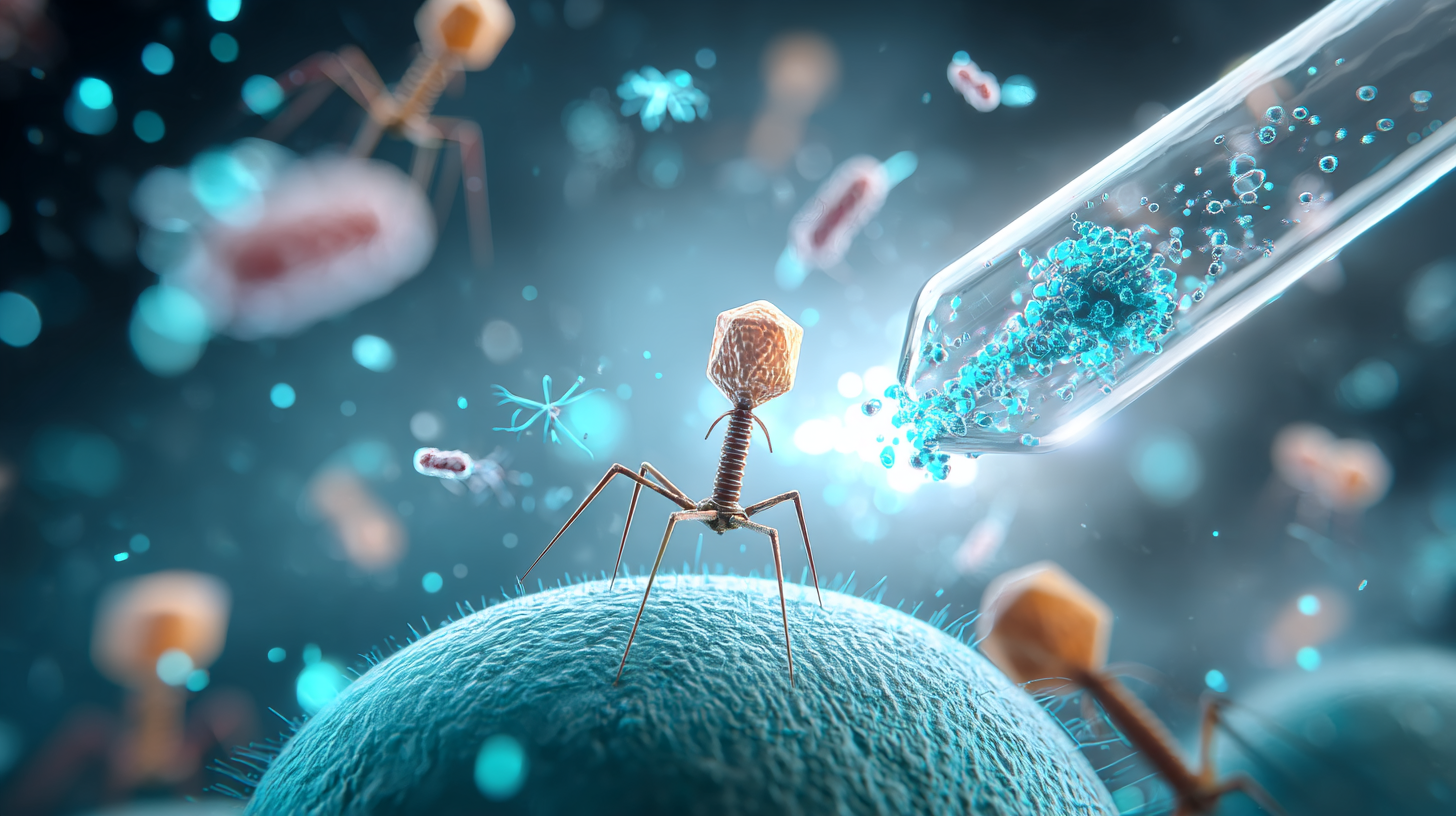
Can phages destroy superbugs?

This article examines the problem of bacterial resistance to antibiotics and the potential use of bacteriophages as an alternative to traditional medications. It presents real-life clinical cases of successful phage therapy, explains the mechanisms of action of phages, and explains their advantages. It also discusses the prospects for developing personalized phage preparations and their potential for future healthcare.

29.08.2025

What diseases are treated by bacteriophages?

Phage therapy is a method of treating bacterial infections using viruses that infect bacteria. This article examines in detail the conditions for which bacteriophages are particularly effective, from intestinal infections to purulent wounds and urological problems. It also describes their application methods and advantages over antibiotics.

26.08.2025

What are the side effects and contraindications to the use of bacteriophages?

This article examines in detail the potential side effects and contraindications of bacteriophage use: why phage therapy is considered one of the safest methods for combating bacterial infections, what rare reactions patients may experience, who should exercise particular caution, and how to avoid risks during treatment.

23.08.2025

What is a phage cocktail?

A phage cocktail is a medicinal product containing a mixture of several types of bacteriophages capable of killing various strains of pathogenic bacteria. This formulation has a broad spectrum of activity and is highly effective in treating infections, especially those caused by antibiotic-resistant microorganisms. This article explains how phage cocktails are created, why they are preferable to single phages, and when they are used in modern medicine.

20.08.2025

In what other industries are bacteriophages used, besides human medicine?

Bacteriophages—viruses that infect bacteria—have long been used not only in human medicine. Today, they are used in veterinary medicine, agriculture, the food industry, and even ecology. These microorganisms help fight infections without antibiotics, protect plants from disease, extend the shelf life of food, and contribute to the development of eco-friendly technologies.

17.08.2025

Why has interest in bacteriophages grown now?

The article explores the reasons for the increased interest in bacteriophages in modern medicine. Against the backdrop of growing antibiotic resistance, humanity is once again turning to phage therapy as a safe and effective alternative to antibiotics. The article discusses the benefits of bacteriophages for children and adults, the technological advances that have made their use more precise and rapid, and Ukraine's experience in this field.

14.08.2025

What myths exist about phage therapy?

Phage therapy is gradually making a comeback in modern medicine as an alternative to antibiotics. However, myths still surround this method: that bacteriophages are dangerous, that the method is outdated, or that it is not suitable for children. This article explains scientifically and simply why these ideas are erroneous and how phage therapy is already helping fight resistant infections.

11.08.2025

What is the correct dosage of bacteriophages for children?

The article explains in detail how bacteriophage dosages are calculated for children. Factors influencing dose selection are discussed, including age, weight, type of infection, and route of administration. Approximate doses for different age groups, regimens, and durations of administration are provided, as well as cases in which a doctor may adjust the dosage. The importance of an individualized approach and following a specialist's recommendations during phage therapy in children is emphasized.

07.08.2025

Are bacteriophages safe for children?

Bacteriophages are becoming increasingly popular in pediatric medicine as a safe alternative to antibiotics. This article examines in detail why phages are safe for children, how to select and administer them correctly, which forms are suitable for children of different ages, and whether they can be combined with other medications.

04.08.2025

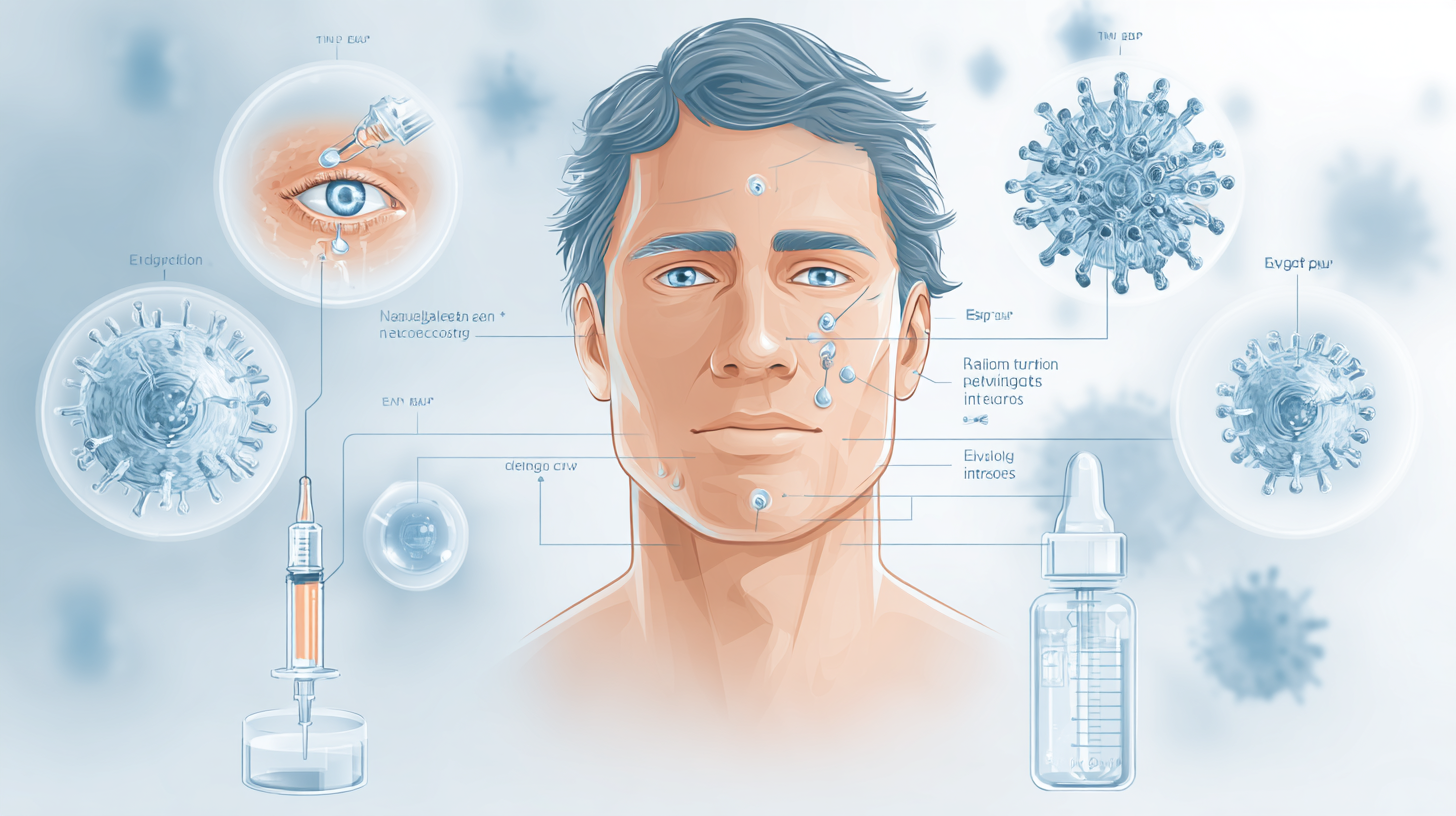
What methods are used to introduce phages into the human body?

This article examines in detail the main methods of administering bacteriophages to the human body. It describes topical administration, injection, inhalation, rectal, vaginal, and ocular routes. It explains how the choice of method depends on the location and severity of the infection, as well as why proper phage delivery plays a crucial role in successful treatment.

04.08.2025

How long does treatment with bacteriophages last?

This article explains how long bacteriophage treatment takes for different types of infections. It examines factors influencing therapy duration, from the type of pathogen and immune status to the form of administration. It also describes possible reasons why the effect may not be immediate and provides recommendations for what to do if immediate results are not achieved.

01.08.2025

Do bacteriophages help destroy biofilms?

Bacteriophages are viruses that selectively attack bacteria. They are capable of destroying biofilms—resistant bacterial communities protected by a dense matrix, making them less susceptible to antibiotics. This article examines the causes of biofilm resistance, the mechanisms of action of bacteriophages, and their synergy with antibiotics in the fight against chronic and hospital-acquired infections.

29.07.2025

Are allergic reactions to drugs containing phages possible?

This article examines the safety of bacteriophage-based medications for patients with antibiotic allergies. It describes the mechanisms of allergic reactions to antibiotics, the specifics of phage therapy, its advantages, and recommendations for use in allergy sufferers.

26.07.2025

Do bacteriophages treat diseases caused by Helicobacter pylori?

Helicobacter pylori is one of the most common causes of gastritis, ulcers, and even stomach cancer. However, increasing bacterial resistance to antibiotics is prompting scientists to seek new treatment methods. One promising approach is the use of bacteriophages—viruses that infect bacteria. This article examines their mechanisms of action, advantages, implementation challenges, and the current state of research in phage therapy for Helicobacter pylori.

23.07.2025

How to properly store bacteriophages at home?

Bacteriophages are becoming an increasingly popular alternative to antibiotics, but their effectiveness directly depends on proper storage. This article explains how to preserve phage activity at home, the correct temperature conditions, how to transport the medications, and what to do after opening the vial.

20.07.2025

Do bacteriophages treat chronic diseases?

Bacteriophages are naturally occurring viruses that destroy bacteria. In recent years, they have increasingly been considered as an alternative to antibiotics, particularly for chronic, treatment-resistant infections. This article examines the mechanisms of phage action, their effectiveness against biofilms, the results of clinical trials, as well as the current limitations and prospects for the development of phage therapy.

17.07.2025

Is it possible to combine bacteriophages and antibiotics?

This article examines the potential of combining bacteriophages and antibiotics in the treatment of bacterial infections. It explains the principles of their interaction, their benefits, and potential risks. It also explores the phenomenon of phage-antibiotic synergy—a combined action that enhances the therapeutic effect. The proper selection of antibiotics and phages, dosages, and monitoring of the body's immune response are also discussed.

14.07.2025

How do bacteriophages differ from viruses and antibiotics?

This article explains how bacteriophages differ from viruses and antibiotics. It discusses their principles of action, the advantages of phages over antimicrobial agents, and the reasons why interest in phage therapy is rapidly growing.